



What Investors Need to Know About Turnkey Rental Property Costs in Metro Detroit
Investing in turnkey rental properties can be a strong way to build passive income, whether youre new to real estate or adding to an existing portfolio. Turnkey units are fully renovated and tenant-ready, which shortens the path to rent checks and reduces upfront headaches. This article breaks down the costs investors face in Metro Detroit so you can evaluate deals with clarity. Wel cover renovation budgets, tenant stability, management fees, and other factors that shape net returns—so you can make decisions that balance upside with risk.
What Defines Turnkey Rental Property Investing in Metro Detroit?
In Metro Detroit, turnkey rental properties are rehabilitated homes or units delivered ready for occupancy and managed to produce steady income for investors. These offerings commonly include property management services that handle leasing, maintenance, and tenant communications. The appeal is clear: less hands-on work for the investor, predictable early cash flow, and a more straightforward transition into owning rental real estate.
Turnkey investing fits current local trends. Several neighborhoods are seeing coordinated reinvestment and rising renter demand, so buying a professionally renovated, managed unit can position an investor to benefit from both rental income and neighborhood appreciation. Working with Strategy Properties connects investors to local market expertise and full-service management that supports those outcomes.
Characteristics:
- Fully Renovated: Units are updated with contemporary finishes and functional repairs so tenants can move in right away.
- Professional Management: Turnkey packages usually include ongoing management to remove day-to-day landlord tasks from the investors plate.
- Cash Flow Potential: With turnkey units, rental income often starts soon after closing, shortening the time to cash-positive performance.
Benefits:
Turnkey investments offer several practical advantages:
- Time Efficiency: You save the time usually spent sourcing contractors, overseeing renovations, and managing tenants.
- Reduced Risk: Properties are renovated to a standard that lowers the chance of immediate, unexpected repairs.
- Easy Access: Turnkey properties provide a clear entry point for investors who dont want to manage major rehab projects themselves.
Market Trends:
Metro Detroit continues to show favorable indicators for rental investors: population shifts, job growth in key sectors, and focused redevelopment projects are driving demand for quality rentals. Investors who target professionally renovated units in improving neighborhoods can capture both stable cash flow and long-term appreciation as the area grows.
How Does a Structured Turnkey Renovation Enhance Property Value?
Planned, professional renovations increase property value by ensuring durability, utility, and tenant appeal. Thoughtful material choices and layouts reduce maintenance headaches and make units more competitive in the market, which helps command higher rents and improve occupancy.
At Strategy Properties, renovation plans prioritize durable finishes and practical design—choices that support higher occupancy and happier tenants over time.
Why Is Tenant Stability Critical for Detroit Turnkey Investments?
Tenant stability is a cornerstone of predictable rental returns. Consistent, quality tenants minimize vacancy periods and lower turnover costs, which preserves cash flow. Long-term leases also reduce the frequency of marketing and onboarding expenses.
Local market knowledge and professional screening matter. Experienced property managers can attract and keep reliable tenants through effective screening, clear communication, and timely maintenance, all of which protect your investments income stream.
Which Costs Comprise Turnkey Rental Property Investment in Metro Detroit?
Turnkey investing involves distinct cost categories: acquisition, renovation, and ongoing operations. Understanding each line item helps you model realistic returns and plan cash reserves.
- Acquisition Costs: Includes the purchase price and closing costs required to secure the property.
- Renovation Expenses: Varies by condition—ranging from cosmetic updates to structural work depending on whats needed.
- Management Fees: Professional management typically runs 8% to 10% of monthly rent and will reduce gross income but can increase net returns by minimizing turnover and vacancies.
Cost Breakdown
Breaking costs into categories makes cash flow forecasting clearer and helps prioritize where to invest capital first.
| Cost Type | Description | Estimated Value |
|---|---|---|
| Acquisition Costs | Purchase price, closing charges | Varies by property |
| Renovation Expenses | Upgrades and repairs needed | $10,000 – $50,000 |
| Management Fees | Ongoing property management fees | 8% – 10% of rental income |
This table gives a quick framework to help you size investments and set realistic expectations for near-term cash flow.
What Are Typical Turnkey Renovation Expenses for Detroit Properties?
Renovation costs depend on scope, but typical investments include:
- Cosmetic Upgrades: Paint, flooring, and new fixtures often fall between $5,000 and $15,000.
- Kitchen Renovation: Mid-range kitchen updates commonly range from $15,000 to $30,000.
- Bathroom Upgrades: Bathroom renovations can cost $10,000 to $25,000, depending on scale and finishes.
Compare these estimates to projected rents and occupancy to measure potential return on investment for each property.
How Do Property Management Fees Impact Investment Cash Flow?
Management fees are a regular operating expense that lowers gross rent but can protect and sometimes increase net income by reducing vacancies and maintenance turnaround time.
Typical management fees of 8% to 10% mean, for example, $1,200 in monthly rent could carry $96 to $120 in management costs. The right manager often offsets that expense through better tenant retention and efficient property care.
How Can Investors Effectively Finance Turnkey Rental Property Purchases in Metro Detroit?
Financing choices shape cash flow and total returns. Common options include:
- Conventional Loans: Often require larger down payments but offer competitive rates for experienced investors.
- FHA Loans: Government-backed options with lower down payments can be helpful for certain investors.
- Cash Purchases: Paying cash removes interest costs and strengthens negotiating leverage.
Weigh the pros and cons of each based on your capital, timeline, and risk tolerance to pick the right approach.
How Is Rental Property Cash Flow Calculated and Optimized in Detroit’s Market?
Cash flow is a core metric for rental performance. Calculate it like this:
Cash Flow = Total Rental Income – Operating Expenses
Operating expenses include mortgage payments, management fees, maintenance, and other ongoing costs. For example, $1,500 in rent minus $1,200 in expenses equals $300 monthly cash flow. To improve cash flow, focus on appropriate rent pricing, managing expenses, and strategic upgrades that increase tenant demand and retention.
Which Maintenance Costs Should Investors Plan for Turnkey Rentals?
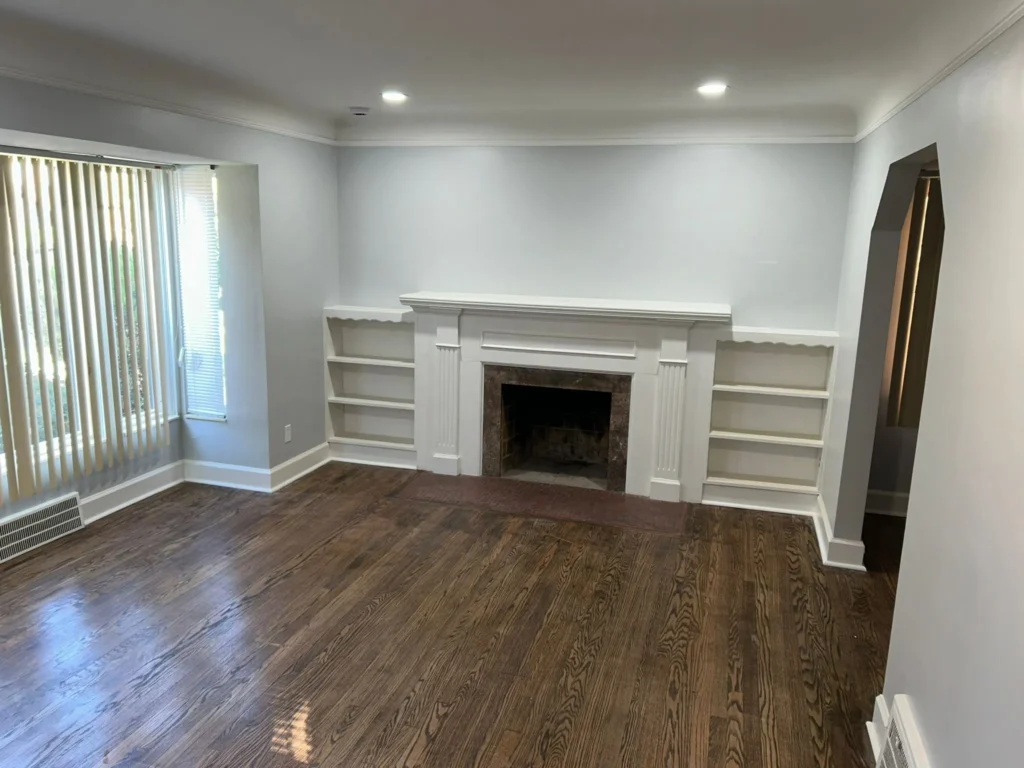
Maintenance is an inevitable, ongoing expense. Common items to budget for include:
- Routine Repairs: Regular upkeep can average $100 to $300 per month, depending on property size and age.
- Emergency Repairs: Unexpected issues—like HVAC or major plumbing—require an emergency reserve since costs can vary widely.
- Seasonal Maintenance: Annual tasks such as HVAC service or seasonal checks typically cost $100 to $200 per year.
Include these line items in your financial model to avoid surprises and protect cash flow.
How Do Neighborhood Trends Affect Tenant Occupancy and Cash Flow?
Local neighborhood dynamics directly influence occupancy and rent levels. Areas with improving amenities, transportation access, and community investment usually attract more renters and support higher rents. Conversely, stagnating or declining neighborhoods can increase vacancy risk and suppress rents.
Evaluating local trends—development plans, employment growth, and neighborhood improvements—helps investors target properties likely to hold value and maintain steady occupancy.
What Are Best Practices for Tenant Management and Maintaining Long-Term Stability?
Strong tenant management boosts retention and reduces turnover costs. Key practices include:
- Rigorous Screening: Thorough background and reference checks help place dependable tenants who pay on time.
- Clear Communication: Prompt, professional communication resolves issues quickly and builds tenant trust.
- Responsive Maintenance: Fast, effective repairs increase satisfaction and lengthen tenancy.
Consistent application of these practices supports long-term stability and more predictable rental income.
How Does Tenant Screening Improve Investment Outcomes?
Effective tenant screening reduces the risk of missed rent and costly evictions. Evaluating credit, income, and rental history helps you place tenants who are more likely to meet lease terms and care for the property. Better screening contributes directly to steadier cash flow and a healthier rental community.
Reliable tenants also lower operational headaches and help preserve property condition over time.
What Role Does Professional Property Management Play in Metro Detroit?
Professional property management simplifies ownership by taking on marketing, tenant relations, maintenance coordination, and other day-to-day tasks. In a market like Metro Detroit, experienced managers help maintain occupancy, handle local regulations, and deliver consistent service to tenants.
Using a professional manager can improve retention and reduce the time and stress of being a hands-on landlord. Strategy Properties provides tailored management solutions designed to protect investor returns and match local market needs.
Where Can Investors Find Transparent and Detailed Cost Information for Detroit Turnkey Properties?
Transparent cost data is essential. Investors should consult multiple sources: local market reports, reputable listing platforms, and property management firms. Working with firms like Strategy Properties gives you access to verified local data and realistic renovation and operating cost estimates.
Getting professional input early helps align budgets with expected returns and reduces costly surprises during ownership.
How Do Strategy Properties Provide Verified Renovation Cost Breakdowns?
Strategy Properties delivers clear, itemized renovation estimates so investors can see where dollars are allocated. Using a consistent process and local vendor relationships, we present realistic budgets for upgrades and maintenance so clients can plan with confidence.
These verified breakdowns give investors a practical roadmap for budgeting, helping ensure renovation dollars contribute to rentability and long-term value.
Which Tools and Resources Assist With ROI and Cost Calculations?
Several tools can help quantify returns and ongoing costs:
- Real Estate Investment Calculators: Useful for modeling returns based on purchase price, financing, and operating costs.
- Local Market Reports: Current data on rent trends and comparable sales help set realistic expectations.
- Tenant Management Software: Platforms that streamline rent collection, maintenance requests, and communications reduce costs and improve tenant satisfaction.
Combining these resources with local expertise gives you better visibility into potential performance and supports smarter investment decisions.