


The Timeless Allure of Real Estate:
Why it Remains the Ultimate Long-Term Investment
Why it Remains the Ultimate Long-Term Investment

Introduction
Ever wonder why people have been so crazy about investing in real estate for, like, forever? Real estate, often referred to as “brick and mortar,” has maintained its status as one of the most coveted long-term investments throughout history. You see, in the world of investments, things can get pretty wild. Some stocks and bonds can feel like a rollercoaster ride. But then there’s real estate, standing tall like an old oak tree, dependable and strong.
While financial markets fluctuate and economic landscapes evolve, the timeless allure of real estate persists. It stands as a rock-solid pillar in the world of investments, offering stability, growth potential, and a unique sense of security. In a world where the landscape of investments constantly shifts, where the allure of the next big thing perpetually beckons, real estate stands unyielding, its roots deeply embedded in the bedrock of financial wisdom.
Let’s Explore Why Real Estate Remains The Ultimate Long-Term Investment:
1. Tangible Asset with Inherent Value
One of the fundamental reasons behind the enduring appeal of real estate is its tangibility. Unlike stocks, bonds, or cryptocurrencies that can be influenced by market ups & downs, real estate investments have inherent value. Real estate represents a tangible asset—a piece of land or a building—that inherently possesses value and offers a feeling of safety and consistency. This intrinsic worth stems from its utility and the human necessity for shelter, making real estate a resilient and appreciating asset over time.
Additionally, real estate can function as a tool for diversifying an investment portfolio, helping to reduce risks connected to other types of assets. This diversification can be especially beneficial when markets are going through uncertain and turbulent times.
2. Wealth Preservation and Appreciation
Real estate has demonstrated its ability to preserve and increase wealth. Over time, property values have typically risen, frequently surpassing the inflation rate. Factors like strategic location, economic development, and demand in certain markets can lead to an increase in property values over time. While short-term fluctuations occur, the upward trajectory of real estate values across decades remains a reliable trend. This makes real estate a haven for investors looking to secure their financial future.
For instance, data from the Michigan House Price All-Transactions Index reveals that house prices in Michigan have experienced significant growth. The index is currently at 500.59, up from 477.33 last quarter and 474.13 one year ago. This represents a change of 4.87% from the last quarter and 5.58% from one year ago. These numbers illustrate the positive trend in property values, not just in Michigan but also in many real estate markets.
In 2022, the average home value in Detroit experienced an impressive 20% increase. Furthermore, tax increases have been limited to a maximum of 5% to ensure affordability for individual homeowners.
House price growth in the United States is tracked year-over-year (YoY) and is updated quarterly. Data is available from March 1992 to June 2023, with an average growth rate of 5.4%. The highest recorded growth occurred in September 2021 at 18.4%, while the lowest point was in March 2009, with a decline of -11.9%.
3. Cash Flow and Passive Income
Investing in real estate, mainly through rental properties, provides an opportunity for regular cash flow and passive income. Rental income from real estate assets can provide a consistent source of revenue, contributing to financial stability and reducing reliance on other income streams. This cash flow potential is a key reason why real estate remains attractive to both novice and seasoned investors.
Take, for instance, the opportunities in Northern Cyprus real estate, which provide investors with appealing rental income returns thanks to the location and the thriving tourism sector in the area. This income can assist in covering property-related costs and mortgage payments, offering a financial buffer during economic challenges. When properties are well-situated and effectively managed, they can deliver consistent returns over the long haul.
When considering how to calculate cash flow in real estate investments, it’s noteworthy that an analysis conducted in 2020 revealed a robust correlation of 0.85 (with 1 indicating the strongest correlation) between Real-Time Pricing (RTP) mechanisms and cash flow. This substantial positive correlation suggests that properties subject to RTP tend to experience higher cash flows. This finding underscores the potential advantages of properties with Real-Time Pricing mechanisms, including increased profitability and effective risk management, making them an attractive option for real estate investors seeking to optimize their returns.
4. Diversification and Portfolio Stability
A well-diversified investment portfolio is a prudent approach to risk management. Real estate, as an asset class, offers diversification benefits, as its performance is often less correlated with that of traditional financial markets. This means that real estate can act as a stabilizing force within an investment portfolio, helping to mitigate risk during economic downturns.
5. Leverage and Wealth Amplification
Real estate investments offer unique opportunities for leverage, which allows investors to amplify their returns. Using mortgage financing, investors can control a more substantial asset with a smaller initial capital outlay. When property values rise, the return on investment increases proportionately, potentially multiplying wealth over time.
6. Tax Advantages
The tax advantages linked with real estate ownership further enhance its appeal. Investors can benefit from deductions such as mortgage interest, property taxes, and depreciation. Additionally, capital gains on the sale of primary residences are often tax-exempt up to a certain threshold. These tax incentives can significantly improve an investor’s overall financial picture.
7. Hedge Against Inflation
Inflation erodes the purchasing power of currency over time. Real estate, however, tends to appreciate as prices rise due to inflation. Throughout history, real estate has consistently shown its capacity to act as a safeguard against inflation. Unlike certain financial assets that might lose value due to inflation, real estate typically maintains its worth and may even experience significant appreciation over time. So, owning real estate can serve as a hedge against the eroding effects of inflation, preserving the actual value of an investor’s wealth.
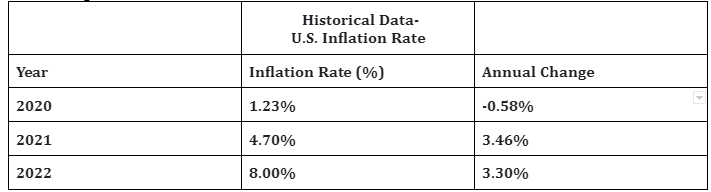
Recently, as inflation rates have been soaring, consumers finally experienced a decrease to 6.04% in February from 6.41% in January. But it’s important to remember that this rate is still higher than what the Federal Reserve aims for (between 2.0% and 2.5%), and it’s also higher than the usual long-term average inflation rate of 3.28%. While high inflation is often concerning for most Americans, the data suggests that real estate properties will continue to increase in value over time, reaffirming their status as a sound investment choice.
8. Stability During Economic Downturns
Real estate is known for its resilience during economic downturns. Property values may not plummet as dramatically as stock prices during a recession. Additionally, the demand for rental properties often increases when people seek more affordable housing options in challenging economic times, providing a steady source of income.
9. Control & Active Management
Real estate investments grant investors a degree of control and active management that may not be available in other types of investments. Investors have the ability to shape the performance of their properties through strategic actions like renovations, effective property management, and setting competitive rental prices. This hands-on involvement enables them to actively optimize their returns.
Even as financial markets change and new investment options arise, real estate continues to stand strong as an enduring and appealing choice for investors. Its physical presence, potential for consistent earnings, capacity to guard against rising prices, a chance for growth, tax advantages, and various investment avenues all contribute to its enduring charm. Nevertheless, it’s essential to emphasize that investing in real estate demands comprehensive research, careful evaluation, and a focus on the long term.
What Keeps Americans Feeling So Optimistic About Investing in Homes?
Buying property has traditionally served as a dependable long-term approach for wealth accumulation in the United States. Lawrence Yun, the Chief Economist at NAR (National Association of Realtors), underscores this point:
“Owning a home can act as a catalyst for wealth creation for individuals from diverse backgrounds. The monthly mortgage payment is commonly seen as a form of obligatory savings, which significantly contributes to homeowners establishing a net worth that is approximately 40 times greater than that of a renter..”
This happens because when you own a home, your net worth increases gradually through the appreciation of your property’s value and the reduction of your mortgage debt. Since accumulating wealth in this way is a process that takes time, it’s a wise idea to begin as early as possible. If you delay purchasing and continue renting, you’ll forego the opportunity for those monthly housing payments to contribute to your home equity.

Conclusion
So, as the world changes and new investment ideas pop up, real estate stays like that trusty old friend who’s always got your back. The enduring allure of real estate as the ultimate long-term investment lies in its tangible nature, wealth preservation and appreciation, cash flow potential, diversification benefits, leverage opportunities, tax advantages, and its ability to act as a hedge against inflation. These attributes make real estate an attractive option for investors seeking financial security and long-term growth.
While real estate investment requires careful research, due diligence, and a long-term perspective, it continues to prove its worth as a steadfast and lucrative avenue for building and preserving wealth. As the world changes, the timeless appeal of real estate endures, solidifying its position as the ultimate long-term investment. It’s the kind of investment you can always rely on.